
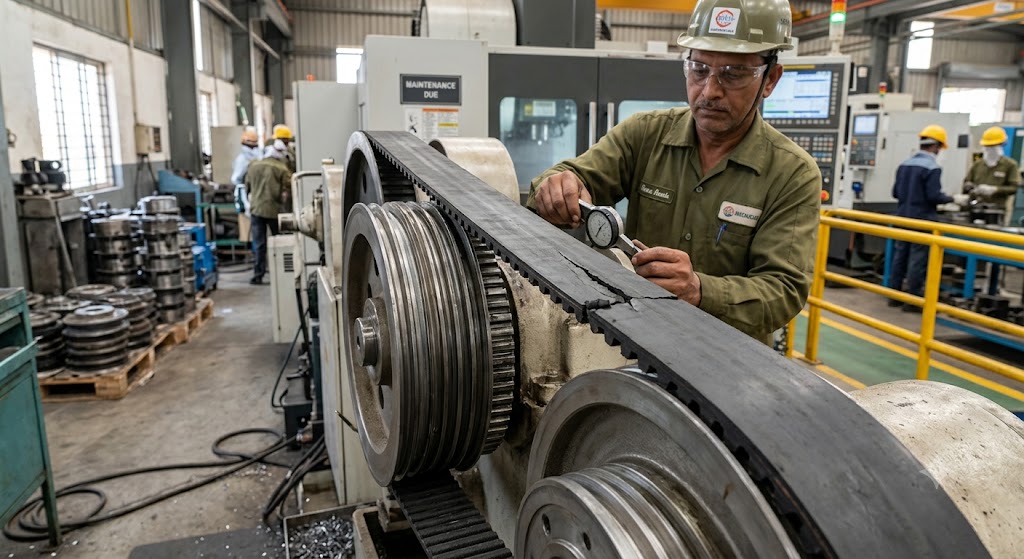
Machine breakdowns can stop production without warning. They delay work, increase costs, and affect overall business performance. In many cases, the issue starts with small parts that are often ignored, like timing belts.
Timing belts help machines move in the right way. They keep different parts working together, so production stays smooth. When a belt fails, the whole system can stop working.
Even a strong rubber timing belt can be worn out over time. This usually happens because of poor care, wrong fitting, or tough working conditions.
For most industries, it is always better to prevent problems than fix them later. Knowing why belts fail can help avoid sudden breakdowns and save money.
Why Timing Belts Are Important in Daily Operations?
In factories and production units, even a small delay can affect the full process. That is why timing belts are very important for smooth machine work.
Many industries using timing belts in India are now focusing more on regular care instead of waiting for breakdowns. This helps avoid sudden stoppages and keeps machines running longer.
Simple checks and timely care can make a big difference in performance.
1. Wrong Belt Tightness
One of the main reasons for belt failure is wrong tightness. If the belt is too tight, it puts pressure on machine parts. If it is too loose, it may slip while working.
Both situations reduce machine performance.
When the belt is too tight
- Machine parts get extra pressure
- Belt wears out faster
- Machine uses more power
- Parts may get damaged over time
When the belt is too loose
- Belt slips during work
- Machine does not stay in sync
- Noise and shaking increase
- Sudden breakdown can happen
How to avoid it
- Follow the correct tightness level given by the maker
- Use proper tools instead of guessing
- Check belt tightness during service
- Train workers for correct fitting
- Replace worn pulleys when needed
Correct tightness helps a rubber timing belt last longer and work better.
2. Heat and Tough Working Conditions
Factories often have heat, dust, oil, and moisture. These conditions slowly damage timing belts.
If a belt works in very harsh conditions for long, it may become hard, crack, or lose strength.
Common problems caused by environment
- High heat in machines
- Oil or chemical contact
- Dust buildup
- Moisture in the air
- Poor air flow around machines
Warning signs
- Cracks on belt surface
- Belt becomes hard
- Machine noise increases
- Performance drops
- Frequent adjustments needed
How to prevent damage
- Keep machines in normal temperature range
- Clean machines regularly
- Fix oil leaks quickly
- Use covers where needed
- Store spare belts in dry places
Many companies working with a timing belt maker in India now include these checks in daily maintenance.
3. Pulley Misalignment
If machine parts are not properly aligned, the belt does not move evenly. This causes uneven wear and reduces belt life.
This problem usually grows slowly, so it is often missed at first.
Signs of misalignment
- Belt wears more on one side
- Machine vibrates during use
- Unusual noise appears
- Belt needs frequent replacement
- Movement looks uneven
How to fix it
- Check alignment during installation
- Use proper tools for setup
- Replace damaged pulleys
- Check machine parts regularly
- Observe vibration changes
Proper alignment helps a rubber timing belt work smoothly for a longer time.
4. Dirt, Oil, and Waste Around Machines
Oil leaks, dust, and small metal pieces can slowly damage timing belts. These materials reduce grip and weaken the belt surface.
Even small dirt problems can grow into bigger failures over time.
Common sources
- Oil leakage from machines
- Extra grease buildup
- Dust from production area
- Chemical spills
- Metal particles
What happens when belts get dirty
- Belt slips easily
- Surface gets damaged
- Belt wears out faster
- Machine becomes unstable
- More vibration occurs
How to keep belts safe
- Clean machines regularly
- Fix oil leaks quickly
- Keep area dust-free
- Use protective covers
- Check belts during maintenance
Clean surroundings are very important for companies using timing belts in India.
5. Using Belts for Too Long
Many businesses use timing belts until they break completely. This may look like saving money, but it often leads to bigger problems.
Problems caused by late replacement
- Machine stops suddenly
- Other parts get damaged
- Repair cost becomes high
- Work gets delayed
- Production slows down
Better approach
- Keep service records
- Track usage time
- Replace before failure
- Keep extra belts in stock
- Train staff to notice early signs
Smart maintenance vs late repair
| Regular Care | Late Repair |
| Planned work | Sudden breakdown |
| Lower cost | High repair cost |
| Smooth operation | Production loss |
| Longer machine life | Faster damage |
Working with an experienced timing belt manufacturer in India helps plan replacement at the right time.
Warning Signs You Should Not Ignore
Timing belts usually give early signs before failing:
- Cracks or damage on edges
- Broken or missing teeth
- Slipping during work
- Strange noise
- Too much vibration
- Uneven wear
- Poor machine output
- Heat near belt area
- Frequent adjustments needed
- Dirt or oil on belt
Simple Maintenance Habits That Help a Lot
Small care steps can improve belt life and reduce breakdowns:
- Check belts regularly
- Fit belts correctly
- Keep them clean and dry
- Train workers properly
- Use good quality products
- Maintain machines in clean condition
These small steps help reduce downtime and improve productivity.
Better Way to Keep Machines Running Smoothly
Timing belt problems do not usually happen suddenly. They build up over time due to lack of care, poor conditions, or wrong usage.
By keeping the right tightness, maintaining cleanliness, checking alignment, and replacing belts on time, businesses can avoid most breakdowns. Companies using timing belts in India are now focusing more on regular care systems instead of waiting for failures.
Jigna Sales has more than 50 years of experience in providing reliable belt solutions for industrial use. For businesses looking for durable timing belt manufacturer in India, choosing the right supplier and following simple maintenance steps can help keep machines running smoothly and reduce unexpected stoppages.

