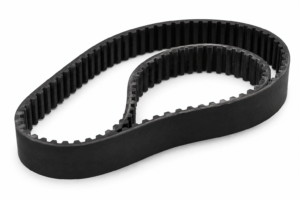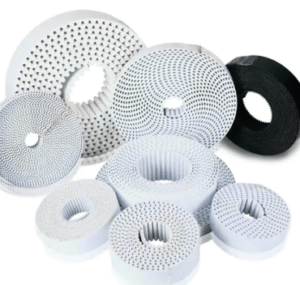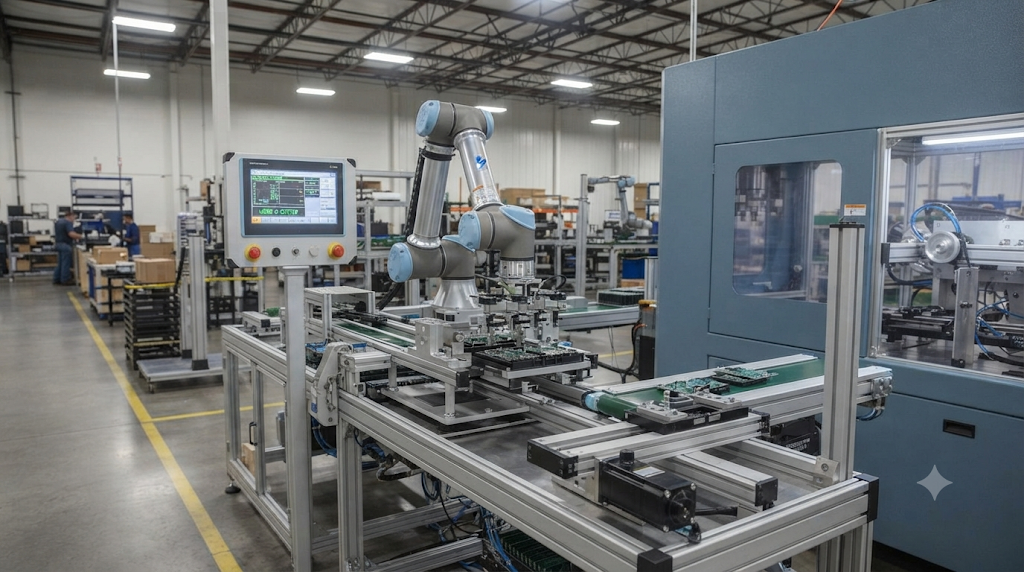
Industrial machinery relies on dependable power transmission. Motors, pumps, compressors, fans, and conveyors need consistent power, which a suitable belt transfers between rotating shafts.
A v belt is widely used for this purpose because its trapezoidal cross-section fits into the grooves of a pulley. This creates friction between the belt and pulley, transferring power from the driving shaft to the driven shaft.
Choosing the right industrial belt can improve machine operation, support consistent performance, and reduce problems caused by incorrect fitting. Understanding the benefits and selection factors can help businesses make better decisions for their machinery.
How does a V belt work in industrial machinery?
A V belt operates through friction between its sides and the matching grooves of a pulley. When the motor rotates the driving pulley, the belt transfers motion to the driven pulley. This lets connected machine components run on power from a common source.
The wedge-shaped design helps the belt maintain contact with the pulley grooves. It also makes the v belt drive suitable for several industrial applications where reliable power transmission is required.
A typical system includes:
- Driving pulley: Connected to the motor or power source.
- Driven pulley: Receives power through the belt.
- V belt: Transfers motion between the pulleys.
- Shafts: Support the rotating components.
- Tensioning arrangement: Maintains suitable belt tension.
The belt size, cross-section, and pulley dimensions must match. Incorrect combinations can cause slipping, excessive wear, and uneven power transmission.
Why is choosing the right V belt important?
The right belt helps machinery run as designed and prevents problems from poor fit or unsuitable construction.
Here are some important benefits:
1. Efficient power transmission
A correctly fitted v belt maintains proper contact with the pulley grooves. This helps transfer power from the motor to the driven equipment with controlled friction.
The right belt section and tension also help reduce unnecessary slipping. This is important for machinery that operates for long hours or handles regular production loads.
2. Smooth machine operation
A suitable belt helps maintain consistent movement between connected components. Depending on the belt construction and drive conditions, it can also absorb some vibration and shock during operation.
This makes the v belt drive useful in equipment where smooth power transmission is important.
3. Reduced wear and maintenance problems
An incorrectly selected belt can stretch, slip, crack, or wear unevenly. These problems can lead to frequent adjustments and replacements.
Choosing the correct industrial belt helps maintain proper pulley contact and load distribution. Regular inspection and correct tensioning are still necessary to support longer service life.
4. Better handling of operating loads
Different machines have different power requirements. A belt selected according to the required load and operating speed can handle the intended working conditions more effectively.
For instance, heavy-duty equipment may need a belt with a different section or construction than smaller machines used for lighter tasks.
5. Flexibility across industrial applications
V belts are available in different sections and constructions. This lets businesses choose suitable options for machines ranging from pumps and compressors to conveyors and industrial fans.
The correct selection depends on the equipment design and operating requirements.
What types of V belts are used in industrial machinery?
Different machines require different belt sections and constructions. Selecting the right type helps maintain proper pulley contact and supports the required power transmission.
Some commonly used types include:
| Type of V Belt | Common Applications |
| Classical V Belts | Pumps, fans, compressors, and general industrial machinery |
| Narrow V Belts | Drives requiring higher power capacity within a compact space |
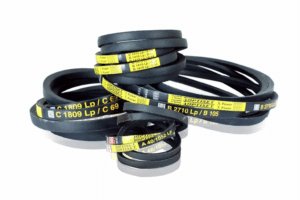
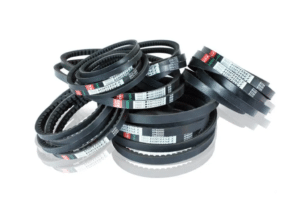
| Cogged V Belts | Applications involving smaller pulley diameters and greater flexibility |
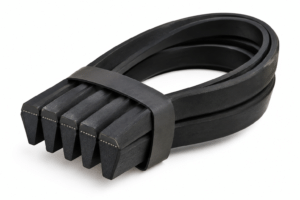
| Banded V Belts | Heavy-duty machinery exposed to vibration and demanding drive conditions |
| Double-Sided V Belts | Drives that require power transmission from both sides of the belt |
A type V belt is one of the classical V belt sections. It is commonly used in general industrial drives where its dimensions and power rating match the machine requirements. The pulley groove must also match the same section.
Businesses should not select a belt based on appearance alone. The belt profile, dimensions, and operating conditions must match the equipment.
What factors should you consider before selecting a V belt?
Choose a belt suited to the machine’s operation. Check key details before buying to avoid fit and performance problems.
Consider the following factors:
- Power requirement: Check the motor’s power and the load the belt must carry.
- Operating speed: Consider the rotational speed of both pulleys.
- Pulley diameter: Ensure the belt fits the pulley dimensions and minimum bend radius.
- Belt length: Select the correct length to maintain proper tension.
- Operating environment: Consider workplace exposure to heat, oil, dust, and moisture.
- Machine usage: Continuous operation and frequent starts or stops can affect belt requirements.
- Belt section: Match the belt cross-section with the pulley groove.
For example, an A type v belt may suit a particular motor and pulley arrangement, but it should not automatically replace another section. Even small dimensional differences can affect how the belt sits in the pulley.
How does the right V belt drive improve machine performance?
A properly selected v belt drive helps maintain the required speed relationship between connected shafts. This is important in machines where the motor and driven equipment need to work together consistently.
It also offers practical advantages in machine design:
- Simple installation: V belt systems have a straightforward arrangement of pulleys and belts.
- Convenient replacement: Worn belts can often be replaced without dismantling the drive system.
- Flexible drive arrangement: The system connects suitably spaced shafts.
- Shock absorption: The belt can absorb some operational vibration and sudden load variations.
- Multiple belt options: Different sections and constructions are available for varying power requirements.
However, these benefits depend on correct installation and maintenance. Pulley alignment, belt tension, and regular inspection remain important for reliable operation.
Why is it important to choose a reliable V belt manufacturer?
Belt quality and consistency affect industrial machinery performance. Businesses should assess the manufacturer’s range, specifications, materials, and ability to meet application needs.
When evaluating v belt manufacturers in India, buyers should check whether the manufacturer offers:
- Different belt sections and sizes for industrial applications.
- Consistent product dimensions and construction.
- Suitable options for different operating loads and speeds.
- Quality checks during manufacturing.
- Support in identifying the correct belt specification.
For businesses comparing V belt manufacturers in India, these details can help them identify a supplier whose products match the machinery’s actual requirements.
Choosing the right V belt for long-term machine performance
The right belt plays an important role in maintaining consistent power transmission across industrial machinery. From selecting the correct section to checking pulley dimensions and operating loads, every detail contributes to the performance of a v belt drive. A suitable industrial belt can reduce slipping, support smooth operation, and prevent unnecessary replacements.
Businesses looking for dependable v belt manufacturers in India should consider product quality, available specifications, and experience in industrial belt requirements. Jigna Sales Corporation offers a range of industrial belts, including V belts in different sections for various machinery applications.
Explore the V belt range at Jigna Sales Corporation and connect with its team to find a suitable belt for your machinery.