
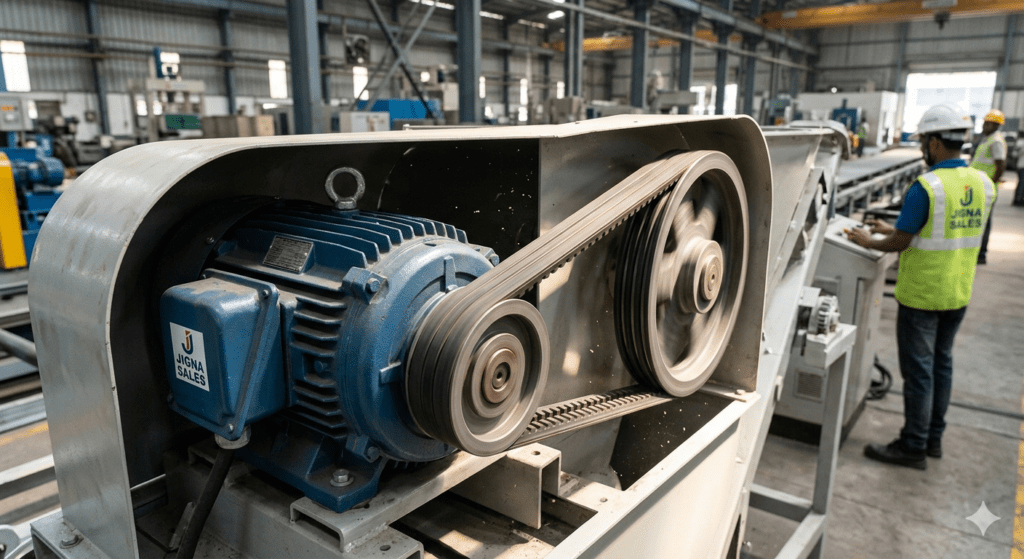
Behind every efficient manufacturing setup is a reliable transmission system, and this blog breaks down how cogged belts improve performance in heavy machinery and industrial plants.
Industrial machines depend on stable power flow to maintain consistent output. When transmission systems are inefficient, they directly affect productivity and machine life. This is why industries focus on improving belt solutions to ensure smooth operation.
Manufacturing units today run on continuous demand and heavy workloads. Machines must perform without frequent interruptions or energy loss. A reliable belt system helps maintain this balance in daily operations, especially when using a cogged V-belt designed for better efficiency.
Understanding the right belt system helps industries improve performance and reduce downtime. It also supports better decision-making for long-term machine efficiency. This sets the foundation for exploring advanced belt solutions.
What is a Cogged V-Belt?
A cogged V-belt is an industrial transmission belt designed with inner grooves or notches to improve performance. These grooves help increase flexibility and reduce heat buildup during continuous operation. It is widely used in modern machinery for efficient and stable power transfer.
Key features:
- Enhanced flexibility for smoother operation: The cogged design allows the belt to bend more easily around pulleys, improving movement and reducing resistance.
- Better heat dissipation during continuous use: Airflow through the notched structure helps control temperature, reducing overheating, and extending belt life.
- Improved grip on pulley system: The inner surface design ensures stronger contact with pulleys, minimizing slippage and improving efficiency.
- Reduced energy loss in transmission: The improved design ensures smoother power flow, reducing unnecessary energy loss in machinery.
These characteristics make a cogged V-belt highly effective for industrial applications. It performs reliably under heavy loads and continuous use. Overall, it helps improve machine efficiency and operational stability.
Role of Cogged Belts in Industrial Efficiency
Industrial systems require components that minimize energy loss and improve output. Belt performance plays a major role in achieving this efficiency. Cogged systems are designed specifically for this purpose.
- Improves energy transmission efficiency
- Reduces mechanical friction losses
- Supports heavy-duty industrial operations
- Enhances machine stability under load
- Extends the operational lifespan of equipment
These advantages directly improve industrial productivity. They also reduce the frequency of maintenance requirements. This leads to smoother and more reliable operations.
How Cogged Timing Belts Work
Industrial machines depend on smooth and controlled power transfer to maintain consistent performance. A cogged timing belt improves this process through its specially designed structure. This design helps reduce energy loss and supports better efficiency in continuous operations.
- The motor generates rotational energy and initiates the power flow into the system.
- Energy is transferred to the pulley system for further movement control.
- Cog design increases grip on pulleys and reduces slipping during operation.
- Power is transmitted with reduced friction loss for better efficiency.
- Machinery operates with stable and consistent output under load conditions.
This working mechanism ensures that a cogged timing belt delivers reliable performance in demanding industrial environments. It helps maintain steady machine output even during continuous usage. Over time, it also reduces stress on mechanical components, improving system durability, and efficiency.
Cogged Belt vs Traditional Belt Systems
Different industrial applications require different belt solutions depending on load, speed, and efficiency needs. A cogged belt is designed to improve flexibility and heat control compared to conventional options. Understanding both systems helps industries choose the right solution for better performance.
How Cogged Belts Differ from Traditional Belt Systems:
| Key Aspects | Cogged Belt | Traditional Belt Systems |
| Flexibility | Provides higher flexibility due to notched inner design which allows smoother bending during operation | Offers limited flexibility and may resist bending under continuous load |
| Heat Management | Improves airflow through grooves which helps in reducing heat buildup during long working hours | Tends to retain more heat, which can affect performance over time |
| Efficiency | Ensures better power transmission with reduced energy loss during operation | Delivers moderate efficiency with higher chances of energy loss |
| Load Handling | Performs effectively under heavy and continuous industrial load conditions | Suitable for light to medium load applications with lower stress tolerance |
These differences clearly show why a cogged belt is preferred in modern industrial systems. It offers better stability, improved efficiency, and longer service life. Overall, it supports smoother operations in demanding manufacturing environments.
Applications in Heavy Machinery and Manufacturing Plants
Industrial operations require reliable components across different systems. Cogged belts are used in multiple applications due to their durability. They support both light and heavy-duty machinery.
The cogged timing belt is widely used in continuous production systems. It ensures stable performance under varying workloads.
A) Manufacturing systems
- Conveyor lines for material handling
- Packaging units for production output
B) Heavy machinery
- Crushers for material processing
- Mixers for industrial blending
C) Utility systems
- Pumps for fluid movement
- Compressors for air systems
These applications show their importance in industrial environments. They help maintain consistent productivity. They also reduce operational interruptions.
Choosing Reliable Cogged Belt Manufacturers
In industrial operations, supplier choice is not just a purchase decision but a performance factor. A dependable manufacturer ensures that every cogged belt delivers consistent performance under demanding workloads. This directly influences efficiency, machine life, and productivity.
Key factors:
- Material quality: Use of strong, tested raw materials ensures better durability and long service life.
- Manufacturing precision: Accurate production standards help maintain proper fit and performance in machinery.
- Industry experience: Experienced manufacturers understand industrial requirements and application needs better.
- Supply reliability: Timely delivery and consistent availability help avoid production delays.
Choosing trusted cogged belt manufacturers ensures stable machine performance during long-term operations. It also reduces the risk of unexpected breakdowns and maintenance issues. Over time, this helps industries maintain better efficiency and cost control.
Better Machine Performance Starts with the Right Choice
Efficient industrial performance depends on how well machines manage power transmission under continuous load. When the right belt system is used, it helps improve output consistency, reduce breakdowns, and maintain smoother operations across production lines. Over time, this directly supports better productivity and operational stability.
Jigna Sales focuses on delivering dependable industrial belt solutions that meet real-world manufacturing demands, including high-quality cogged belt manufacturers’ support for industrial applications. We aim to provide products that combine strength, precision, and long service life to support uninterrupted machine performance. Our approach is centred on helping industries achieve better efficiency through reliable components and consistent supply support.
Improving machine performance starts with choosing the right transmission solution for your application needs. Connect with us today to explore suitable industrial belt options and get the right support for your machinery requirements.